As we move through 2026, the conversation around vaporization has shifted from the “novelty” phase to a disciplined, clinical era. For adult Australians using these tools as part of a smoking cessation strategy, the most critical question remains: what is in a vape?
In previous years, the answer was often obscured by a lack of oversight. However, under the current Therapeutic Goods Administration (TGA) framework, transparency has become the baseline. Today, “therapeutic vapes” are defined by what they don’t contain just as much as what they do. Here are six essential truths regarding the composition and regulation of these devices in the modern era.
Table of Contents
1. The Purity of the Base: PG and VG
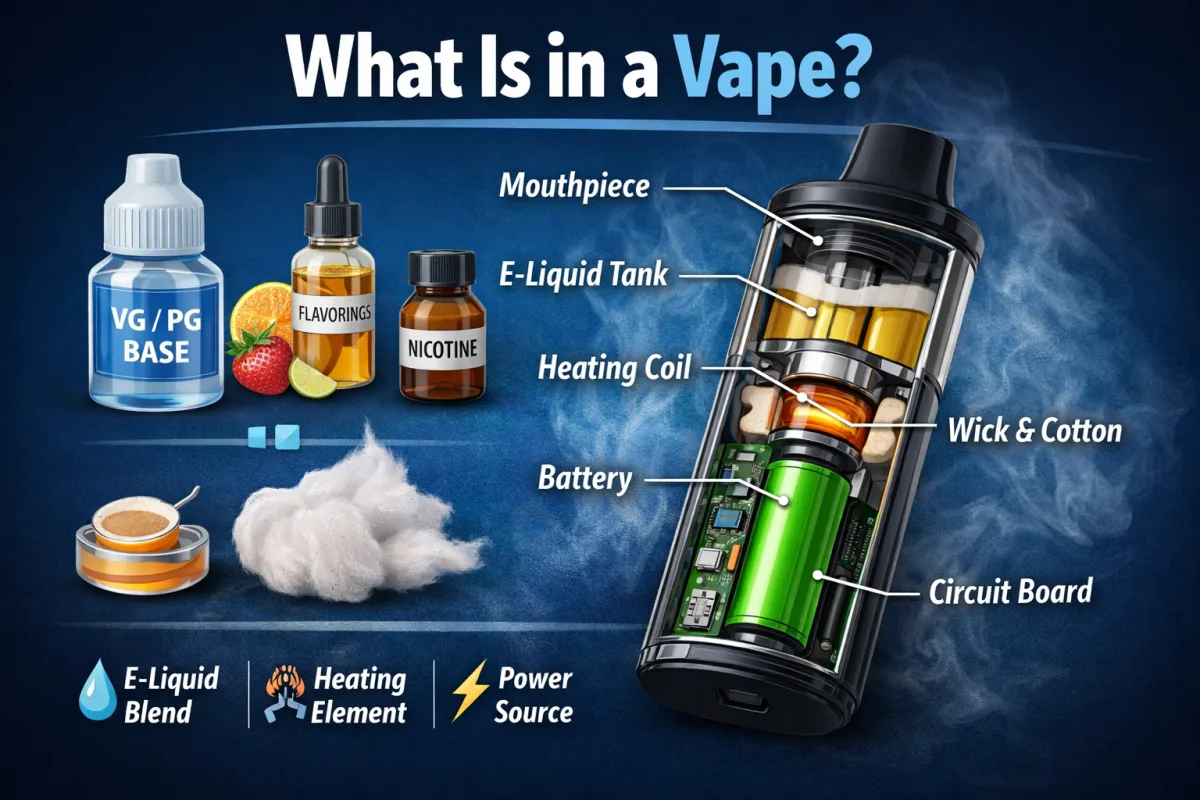
The core of any e-liquid consists of Propylene Glycol (PG) and Vegetable Glycerin (VG). In the regulated 2026 market, these are no longer industrial-grade; they must be pharmaceutical-grade.
PG is used for its ability to carry flavor and provide the “throat hit” that mimics a traditional cigarette, while VG is responsible for the vapor density. Under the strict vape laws australia now enforces, these carriers must be free from contaminants and are often the same ingredients found in food products and asthma inhalers. Understanding this base is the first step in answering what is in a vape when sourced through legitimate medical channels.
2. Standardized Nicotine Concentration
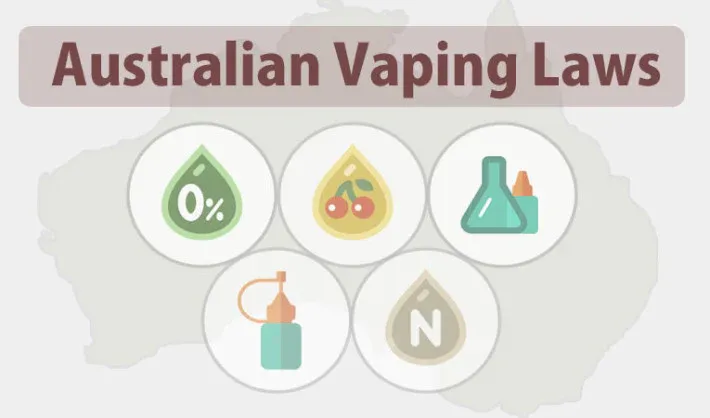
The era of “mystery strength” liquids has ended. A modern nicotine vape found in an Australian pharmacy is subject to precise concentration limits. For adults over 18, a nicotine vape with a concentration of 20 mg/mL or less can often be accessed after a consultation with a pharmacist, while higher strengths require a GP’s prescription.
This standardization ensures that your tapering plan is based on accurate data. Unlike unregulated products of the past, the dosage you see on the plain pharmaceutical packaging is exactly what the device delivers, allowing for a controlled and successful transition away from combustible tobacco.
3. The TGO 110 Prohibited List: Inhaling with Confidence
The TGO 110 (Therapeutic Goods Order No. 110) is the “gold standard” for ingredient safety. It explicitly prohibits substances that were once common in the illicit market. If you are vaping in australia legally, your product is guaranteed to be free from:
- Vitamin E Acetate: (Linked to EAVLI)
- Diacetyl and Acetoin: (Known respiratory irritants)
- Ethylene Glycol: (A toxic solvent)
By removing these “bad actors,” the 2026 framework significantly lowers the toxicological profile of the aerosol. This clinical vetting is a primary reason why the current pharmacy-only model is considered a safer alternative to the unregulated trade.
4. Flavour Restrictions and the End of “Marketing”
A significant change in the vape laws australia introduced recently is the restriction on flavor profiles. To prevent the appeal of these products to non-smokers and youth, therapeutic vapes are now limited to three profiles: Tobacco, Mint, and Menthol.
Furthermore, menthol concentrations are capped at 20 mg/mL to prevent excessive cooling sensations that might mask irritation. This shift ensures that the device remains a tool for cessation rather than a recreational lifestyle product. The packaging is now plain and clinical, focusing on health information rather than bright colors and sugary names.
5. The Danger of the “Alibaba Vape” and Unregulated Imports
While it may be tempting to seek out variety elsewhere, the risks of using an alibaba vape or any unregulated import are substantial in 2026. Personal importation of vapes is now illegal, and for good reason.
An alibaba vape or similar unvetted device often bypasses Australian safety checks. These products frequently contain high levels of heavy metals (like lead and nickel) leached from poor-quality heating coils. They also lack the child-resistant locks that are mandatory for all hardware used for vaping in australia today. Staying within the pharmacy network is the only way to verify the engineering integrity of your hardware.
6. The Clinical Bridge: Why the Pharmacy Model Works
The final component of “what is in your vape” is the clinical support that comes with it. When you access these tools legally, you are also accessing the expertise of healthcare professionals.
The Australian Government Department of Health emphasizes that vapes are most effective when used as part of a holistic plan. Pharmacists can provide guidance on potential side effects, battery safety, and the most effective way to lower your nicotine intake over time. This professional oversight turns a chemical product into a managed healthcare solution.
Summary: Informed Choices for a Healthier Future
Deciphering the science of vaporization in 2026 is about recognizing the value of regulation. By prioritizing TGA-notified products, adhering to the current vape laws australia has established, and avoiding the risks of unverified imports, you are choosing a path of transparency.
If you are currently on a cessation journey, remember that resources like Quitline are available to help you move toward a completely nicotine-free life. The future of health in Australia is built on the foundation of informed, safe, and professional care.
Single relevant follow-up question: Would you like to learn more about how to discuss a nicotine tapering plan with your pharmacist to ensure you’re using the lowest effective dose?