
Firstly, flavour feels “smooth” when sweetness, cooling, and throat feel stay balanced across real-life sessions. Therefore, a good match starts with understanding what the liquid is doing, not just what the label says. In that spirit, this guide focuses on practical taste structure, pairing logic, and repeatable rotation plans. Moreover, it uses simple language and short steps, so the method stays easy to reuse. Consequently, the same flavour family can feel cleaner, brighter, and less tiring over time. Meanwhile, the broader catalogue and product range sit on the home page; therefore, Best Vape Shop Online Australia acts as the central starting point for browsing.
What “smooth flavour” means in real sessions
Smoothness is a mix of taste and feel
To begin with, “smooth” rarely means “weak.” Instead, smoothness usually comes from controlled intensity that stays stable. For example, sweetness can taste rich yet still finish clean. Meanwhile, cooling can feel fresh without turning sharp.
In practice, three signals define smooth flavour most clearly. Firstly, the first pull tastes complete, not thin. Secondly, the finish fades without a sticky aftertaste. Finally, the throat feel stays consistent, even during short back-to-back sessions.
The flavour “shape” matters more than the flavour “name”
Notably, flavour names often describe the top note only. However, the base notes drive comfort across the day. Therefore, it helps to think in layers rather than labels.
A useful way to picture layers is this: top notes feel bright and immediate, mid notes feel full and juicy, and base notes feel dense or creamy. Consequently, a “fruit” flavour can still feel heavy if the base runs syrupy.
The four building blocks: sweet, tart, cool, and dry
Next, smooth matches get easier when each flavour gets assigned a role. For example, sweetness gives body and comfort. Meanwhile, tartness adds lift and prevents candy fatigue. Additionally, cooling trims sweetness and sharpens the finish. Finally, dry notes—like tea or subtle mint—can clear the palate.
Therefore, many “all-day” profiles land in the middle. They keep sweetness moderate, add a little tartness, and use gentle cooling. As a result, flavour stays readable without becoming demanding.
Texture changes perception, even when flavour stays the same
Similarly, mouthfeel can change the whole experience. For instance, thicker vapour can feel rounder and richer. However, that same richness can shorten comfort if sweetness runs high.
On the other hand, a lighter feel can highlight crisp fruit notes. Therefore, berry-ice and grape profiles often feel “cleaner” than dessert-leaning blends. Meanwhile, airflow also influences texture, so the same liquid can feel softer with a looser draw.
E-liquid basics that influence flavour clarity
Why the base matters, even in prefilled devices
Firstly, every e-liquid has a carrier base that affects delivery. Even when the exact ratio is not listed, the effect still shows up. Therefore, understanding the basics helps predict which flavours stay smooth longer.
Generally, thinner blends wick easily and taste brighter. Meanwhile, thicker blends often feel denser and smoother on the palate. However, thick vapour can amplify sweetener and make candy notes feel heavier.
Nicotine style changes throat feel
Next, nicotine type can change perceived smoothness more than expected. For example, nicotine salts usually feel smoother at higher strengths. Meanwhile, freebase nicotine can feel sharper at the same level.
Consequently, flavour matching should consider “throat feel budget.” In other words, when a flavour already feels sharp—like strong mint—extra throat hit can push it over the edge. Therefore, smoother nicotine presentation often pairs better with cooling-heavy profiles.
Cooling is not just taste; it changes the finish
Additionally, cooling agents do more than add freshness. They also shorten lingering sweetness. As a result, berry-ice blends often feel cleaner than candy fruit, even with similar sweetness levels.
However, cooling can amplify dryness and throat sensation. Therefore, strong ice profiles often work best when used as rotation tools rather than constant background flavours. Meanwhile, gentle cooling can still serve as an “all-day” stabiliser.
Coil heat influences flavour balance
Meanwhile, temperature changes flavour structure. At lower heat, fruit notes taste brighter and more delicate. At higher heat, sweetness and base notes feel heavier and denser.
Therefore, warm delivery tends to suit bakery, caramel, and cola profiles. Conversely, cooler delivery often suits grape, berry, and citrus. Consequently, matching flavour family to heat profile reduces the chance of harshness.
Sweetener build-up affects long-run smoothness
Importantly, sweetener can cause flavour fatigue. The first pulls taste bold, yet the finish can turn sticky with repetition. Therefore, rotation becomes the simplest fix.
A practical approach is to treat sweet flavours as “peaks.” Meanwhile, crisp or minty flavours act as “resets.” As a result, the day feels varied without needing extreme intensity.
A simple flavour wheel for consistent matching
Step 1: Choose a primary flavour family
To start, pick one main family that fits typical sessions. For example, berry, grape, tropical, cola, or mint can each anchor a rotation. Meanwhile, the primary family should feel pleasant even without a “special occasion.”
The goal is stability, not novelty. Therefore, choosing a familiar profile often leads to smoother long-term results. Additionally, a familiar flavour makes it easier to spot when the palate needs a reset.
Step 2: Add one “contrast” note
Next, add contrast to prevent fatigue. For example, sweetness benefits from tartness. Similarly, tropical fruit benefits from lemonade notes. Meanwhile, candy profiles benefit from clean mint later in the day.
A useful contrast list looks like this:
- Sweet → add tart citrus or light tea notes
- Tart → add soft sweetness to round edges
- Cooling → reduce sharpness with fruit body
- Dense → lighten with crisp fruit or gentle ice
Therefore, a match feels smooth when contrast stays deliberate. As a result, flavour remains readable for longer.
Step 3: Decide the “finish style”
Finally, finish style decides comfort. Some flavours end clean and crisp. Others end sweet and lingering. Therefore, finish style should match the session length.
For short breaks, a crisp finish feels efficient. Meanwhile, for relaxed downtime, a softer lingering finish can feel satisfying. Consequently, the same rotation can cover both needs when finish styles vary.
Smooth flavour pairing ideas with product examples
Crisp berry + gentle ice for a clean daily anchor
Firstly, berry blends often work as daily anchors because they feel familiar. However, pure berry sweetness can flatten after repetition. Therefore, a light cooling edge often keeps the finish clean.
In that category, a berry-ice profile can support short sessions and quick resets. Moreover, it pairs well with neutral drinks, because sweetness stays contained. Consequently, it often feels “fresh” even after multiple breaks.
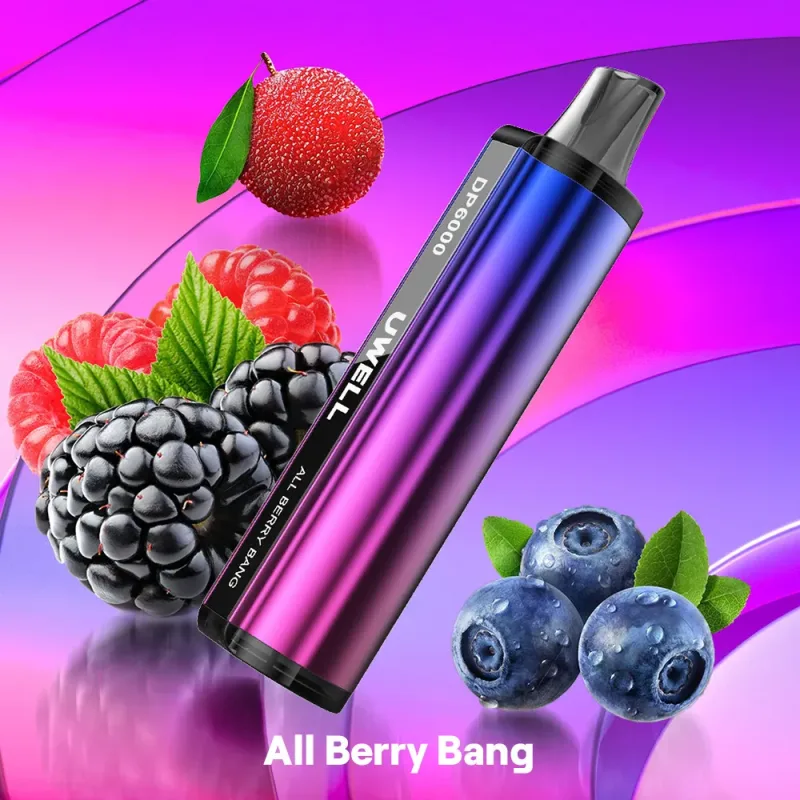
Meanwhile, Uwell 6000 Blueberry-Blackberry-Ice sits in that crisp-and-clean lane. The top note reads bright berry, while the darker blackberry tone adds depth. Additionally, the cooling finish trims lingering sweetness, so the profile stays clear.
Juicy green grape for warm weather and palate clarity
Next, grape profiles often feel smooth because they combine sweetness and freshness. In particular, green grape tends to taste “juicy” rather than “syrupy.” Therefore, it often suits longer stretches without feeling heavy.
Moreover, grape pairs well with light contrast. For example, sparkling water enhances the crisp finish. Meanwhile, mild tea notes can add dryness that reduces sweetness fatigue. Consequently, grape can act as both an anchor and a reset.

Additionally, Alibarbar Pro 10k Juicy Green Grape fits the bright-fruit lane. The flavour reads clean and fresh, with a rounded sweetness that avoids heavy candy weight. Therefore, it often feels suitable for daytime use and warmer conditions.
Tropical fruit + lemonade for “bright sweetness” without stickiness
Similarly, tropical blends can feel smooth when acidity stays present. Mango and pineapple bring body and aroma, yet they can turn thick if sweetness dominates. Therefore, lemonade notes often fix the balance by adding lift.
In other words, lemonade works like a “brightness dial.” It sharpens the top note, trims the finish, and reduces syrup perception. Consequently, tropical-lemonade blends often suit afternoon sessions and social settings.

Meanwhile, Alibarbar Pro 10k Mango Pineapple Lemonade leans into that bright structure. Mango adds soft richness, pineapple adds tangy lift, and lemonade keeps the finish crisp. As a result, the blend feels lively rather than heavy.
Bubblegum-style candy for short “treat” sessions
Finally, candy profiles work best when used intentionally. They deliver bold sweetness fast, which can feel satisfying in a short window. However, continuous use can create sweetness fatigue quickly. Therefore, pairing candy with a reset plan keeps it enjoyable.
A simple candy pairing approach looks like this:
- Candy session → follow with water or tea
- Later reset → switch to crisp fruit or mint
- Next day anchor → return to berry-ice or grape
Consequently, candy stays fun without taking over the rotation.
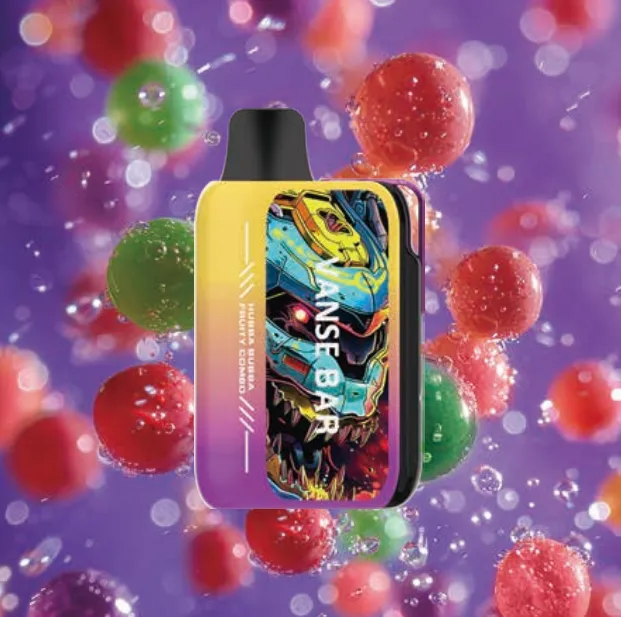
In that lane, UWELL VANSEBAR Hubba Bubba Fruity Comb aligns with a playful, sweet profile. The taste reads bright and candy-forward, which suits short downtime sessions. Therefore, it often works best as a “treat slot” rather than an all-day default.
Matching flavours to common daily scenes
Morning: clean flavour, low distraction
Firstly, mornings often reward simple flavour structure. Crisp fruit, gentle cooling, and lighter sweetness usually feel easiest. Therefore, grape and berry-ice often work well early.
Meanwhile, heavy dessert notes can feel dense in the first session. Consequently, saving rich sweetness for later often improves comfort. Additionally, mild cooling can help the finish feel tidy.
Midday: refreshment and repeatability
Next, midday sessions often happen in short windows. Therefore, flavours that deliver a clear first pull matter more than complex layering.
In that context, bright fruit tends to perform well. Moreover, tart edges can prevent flavour flattening. As a result, tropical-lemonade and green grape often feel “awake” at midday.
Afternoon: rotation prevents fatigue
However, repeated pulls across the afternoon can dull perception. Therefore, a rotation step becomes useful here. For example, switching from candy to crisp fruit resets the palate. Meanwhile, switching from dense sweetness to gentle ice reduces aftertaste.
A practical afternoon rotation might be:
- Anchor: berry-ice or grape
- Treat: candy fruit or cola profile
- Reset: mint-leaning or tart fruit profile
Consequently, each flavour keeps a clear role.
Evening: richer notes can feel more satisfying
Finally, evening sessions often follow meals. Therefore, richer sweetness can feel more appropriate. Candy, cola, and deeper fruit can feel “rounder” later on.
Still, a clean finish remains valuable. Consequently, pairing a rich profile with a later reset often keeps the mouthfeel comfortable. Meanwhile, alternating warm and cool profiles can prevent sameness.
Smooth pairing by flavour family
Berry family: bright top notes with easy rotation
To begin with, berries rotate easily because they sit between tart and sweet. Therefore, a berry anchor can connect to many second flavours.
Useful berry pairings include:
- Berry + gentle ice: cleaner finish, less fatigue
- Berry + citrus: brighter top note, more lift
- Berry + mint: strong reset effect, sharper feel
Meanwhile, deeper berries like blackberry often feel fuller than lighter berries. Consequently, they can suit later sessions better.
Grape family: juicy sweetness with crisp structure
Next, grape tends to feel smooth because it tastes “wet” rather than “dry.” Therefore, it pairs well with dryness contrast like tea notes.
Good grape pairing ideas include:
- Grape + ice: crisp finish for warm weather
- Grape + citrus: extra lift for midday sessions
- Grape + berry: deeper fruit body without heavy dessert notes
As a result, grape can act as both anchor and refresher.
Tropical family: aroma and body need acidity balance
Similarly, tropical flavours bring aroma and sweetness. However, they can feel thick if the finish lingers. Therefore, lemonade and citrus notes often create the smoothest match.
Practical tropical pairing ideas include:
- Mango + lemonade: bright sweetness that finishes clean
- Pineapple + citrus: sharper lift and clearer finish
- Tropical + gentle ice: refreshment without extra syrup
Consequently, tropical blends work best when the finish stays crisp.
Candy family: intensity works best in short windows
Meanwhile, candy profiles deliver impact quickly. Therefore, they suit short “treat sessions” rather than long background use.
A candy comfort plan often includes:
- Spacing: fewer continuous sessions
- Contrast drink: water or tea to reduce sweetness stickiness
- Reset later: crisp fruit or mint
As a result, candy stays enjoyable longer.
How to build a three-flavour rotation that stays smooth
Role 1: The daily anchor
Firstly, an anchor flavour should feel comfortable repeatedly. It should avoid extreme sweetness and extreme cooling. Therefore, berry-ice or crisp grape often fits well.
The anchor should also feel “neutral enough” to follow meals or coffee. Consequently, it acts as the default choice when no special mood exists.
Role 2: The treat flavour
Next, the treat flavour exists for variety. It can be sweeter, richer, or more playful. However, it should not dominate the day. Therefore, candy profiles fit best here.
The treat slot works well when sessions are short and intentional. As a result, sweetness remains exciting rather than tiring.
Role 3: The reset flavour
Finally, the reset flavour clears the palate. It should finish clean and reduce lingering sweetness. Therefore, crisp fruit, gentle ice, or mint-leaning profiles work well.
A reset flavour also protects the next session. Consequently, the following flavour tastes brighter without needing extra intensity.
Device delivery factors that affect flavour matching
Airflow changes sweetness perception
Firstly, airflow affects how dense vapour feels. A tighter draw often increases perceived intensity. Meanwhile, a looser draw can soften sweetness and spread the flavour.
Therefore, rich candy profiles may feel best with airflow that avoids overheating. Conversely, crisp fruit can tolerate more airflow without losing clarity. Consequently, matching airflow to flavour family reduces harsh edges.
Mesh coil style often improves flavour separation
Next, many devices use mesh-style coils. Mesh often increases surface area, which can improve flavour definition. Therefore, layered fruit flavours can feel more separated.
However, higher definition can also expose imbalance. For example, too much sweetener becomes obvious faster. Consequently, balanced blends feel smoother over time.
Consistency beats maximum intensity for “smooth” goals
Importantly, “smooth” flavour relies on predictable delivery. Therefore, stable output often matters more than peak intensity.
In that sense, a simple rotation across reliable profiles can outperform a single extreme flavour. Moreover, stable delivery reduces the urge to chase stronger sweetness. As a result, fatigue often drops naturally.
Browse product options without clutter
Meanwhile, product browsing stays simplest when the catalogue sits in one place. Therefore, the main collection page helps with quick comparison: VapeWellAU Shop.
Additionally, for a separate best-seller style reference, this internal guide offers a different angle on routine-based picks: Adelaide best-sellers flavour guide.
Storage and handling habits that keep flavour smooth
Heat and sunlight can dull flavour
Firstly, heat can thin e-liquid and increase condensation. Therefore, cool storage often preserves clarity.
Direct sunlight can also degrade aroma over time. Consequently, shaded storage usually keeps flavour more stable. Meanwhile, consistent temperature reduces gurgle and airflow noise.
Upright positioning helps reduce condensation
Next, keeping a device upright can limit liquid movement into the mouthpiece pathway. Therefore, upright storage can reduce gurgle and keep the first pull cleaner.
Additionally, quick wipes around the mouthpiece can remove condensation. As a result, flavour stays sharper and less “watery.”
Short pauses can improve consistency
Finally, a brief pause between sessions can prevent overheating. Therefore, flavour stays closer to the intended balance.
This habit matters most with sweet profiles. Consequently, spacing sessions can reduce harshness and keep sweetness from turning sticky.
Troubleshooting flavour problems with simple selection logic
Problem: flavour feels muted
Firstly, muted flavour often comes from palate fatigue or condensation. Therefore, switching to a reset profile can help quickly.
Other useful fixes include:
- Hydration with water: clears the mouthfeel without adding sweetness
- Flavour contrast: switch from candy to crisp fruit
- Short break: a few minutes can restore perception
Consequently, intensity often returns without changing the whole rotation.
Problem: sweetness feels “too much” after a few sessions
Next, sweetness overload usually signals a missing contrast note. Therefore, adding tartness, gentle ice, or mint later in the day can rebalance the experience.
A practical adjustment is to move candy to the treat slot. Meanwhile, berry-ice or grape can become the anchor. As a result, comfort improves without losing variety.
Problem: throat feel seems harsh
However, harshness can come from several factors at once. Therefore, the simplest path is to reduce sharp elements.
Common sharp elements include:
- Strong cooling plus high intensity sessions
- Very sweet flavours used continuously
- Minimal spacing between pulls
Consequently, spacing sessions and switching to a softer fruit profile often helps.
Problem: flavour feels great, then fades quickly
Finally, fast fade often points to repetition without rotation. Therefore, building a three-role plan usually solves it.
Even a small two-flavour swap can help. For example, use berry-ice as anchor and grape as midday refresh. Consequently, the brain stops filtering the flavour as “background noise.”
FAQ: E-Liquid matching, smoothness, and selection ideas
1) What makes a flavour feel “smooth” instead of “strong”?
Firstly, smooth flavour balances sweetness, cooling, and finish. Therefore, it stays comfortable across repeated sessions. In contrast, “strong” can mean high sweetness that lingers too long.
2) Why do candy flavours feel tiring faster?
Next, candy profiles often rely on sweetener and bright aroma. However, repeated sweetness can create fatigue. Therefore, using candy as a short treat usually works best.
3) Do cooling notes always make a flavour smoother?
Not always. While cooling can clean the finish, it can also add sharpness. Therefore, gentle cooling often feels smoother than extreme ice.
4) Why does grape often feel “clean” compared with dessert notes?
Generally, grape profiles taste juicy and bright. Therefore, they finish with less sticky aftertaste. Meanwhile, dessert notes can feel dense and lingering.
5) What is the easiest “all-day” flavour structure?
Firstly, balanced fruit with a clean finish tends to work well. Therefore, berry-ice and crisp grape often sit in that lane. Additionally, moderate sweetness helps long-run comfort.
6) How can flavour fatigue be reduced without chasing stronger flavours?
Next, rotation solves fatigue more reliably than intensity. Therefore, a three-role plan—anchor, treat, reset—keeps perception fresh. Meanwhile, contrast notes like citrus help as well.
7) Why does the same flavour feel different indoors versus outdoors?
Temperature and humidity influence perception. Therefore, cooling feels stronger in warm air. Meanwhile, sweetness can feel heavier in cooler indoor conditions.
8) What pairing helps candy flavours feel less sticky?
Firstly, water or unsweetened tea adds contrast. Therefore, sweetness feels less dense afterward. Additionally, a crisp fruit reset later can clear lingering aftertaste.
9) What pairing helps tropical blends feel brighter?
Next, lemonade or citrus notes add lift. Therefore, mango and pineapple feel fresher and less syrupy. Consequently, the finish stays cleaner.
10) Why do berry-ice blends work well as a rotation stabiliser?
Because the cooling edge trims sweetness fatigue. Therefore, the profile stays readable across short sessions. Meanwhile, berry familiarity makes it easy to return to.
11) What is a simple way to choose a second flavour for rotation?
Firstly, pick a contrast note to the main flavour. Therefore, pair sweet with tart, or dense with crisp. As a result, the rotation feels more “planned” and less random.
12) How many flavours should sit in a rotation?
Usually, two to three flavours work well. Therefore, an anchor plus a treat can already help. Meanwhile, adding a reset flavour improves long-run comfort further.
13) When does a mint-leaning profile help most?
Mint helps after sweet or rich sessions. Therefore, it acts as a palate reset. However, strong mint can feel intense, so spacing matters.
14) Why does “finish” matter so much?
Finish determines aftertaste and comfort. Therefore, a clean finish supports repeated sessions. Conversely, a sticky finish shortens the enjoyable window.
15) What is the simplest “decision tree” for smooth matching?
Firstly, pick a primary family that feels comfortable. Next, add a contrast note to protect the finish. Finally, assign the flavour a role: anchor, treat, or reset.
Summary and practical next steps
Overall, smooth flavour matching works best when each profile has a job. Therefore, daily comfort improves when sweetness stays controlled and contrast stays deliberate. Meanwhile, rotation prevents fatigue more reliably than chasing stronger intensity. Additionally, pairing by finish style keeps sessions consistent across different times of day.
Three actionable suggestions:
- Firstly, build a three-role rotation: anchor, treat, and reset.
- Next, choose contrast notes on purpose: sweet with tart, dense with crisp.
- Finally, keep storage cool and sessions spaced to protect flavour clarity.
In conclusion, consistent taste comes from repeatable structure, not endless novelty. Therefore, the home page remains the simplest hub for browsing and comparing options: Best Vape Shop Online Australia.
Device Overview
| Feature | Specification | Rating |
|---|---|---|
| Puff Count | 10,000+ puffs | Excellent |
| E-Liquid | 15-18ml | Excellent |
| Nicotine | 5% (50mg/ml) | Standard |
| Battery | 500-650mAh | High |
| Coil | Mesh Coil | Premium |
| Value | Good | 8.5/10 |