Not every palate enjoys mint. In fact, mint can feel sharp, “cold,” or even toothpaste-like. Consequently, flavour selection becomes the real comfort lever, especially in pod-style systems. Rather than chasing the loudest label, a better approach is to map flavours by sweetness, acidity, and cooling level. Additionally, it helps to separate mint taste from cooling sensation, because they are not always the same thing. Therefore, when a mint-free direction matters, a stable reference point like RELX vape Australia official supplier can support a structured flavour-first workflow.
Why Mint Feels So Intense in Pods
First, mint flavours usually rely on menthol or mint aromatics that sit “high” on the palate. As a result, they can dominate other notes and linger longer than fruit or tea profiles. Meanwhile, pod hardware often delivers consistent, concentrated flavour, so mint can feel even stronger than expected.
In addition, mint frequently pairs with cooling agents. Those cooling agents create a cold sensation on inhale and exhale. However, the sensation can be pleasant in small doses and overwhelming in large doses. So, the key is identifying whether the dislike is mint taste, cooling feel, or both.
Mint taste vs cooling sensation
To begin with, mint taste is the flavour identity: peppermint, spearmint, “fresh mint,” or similar. Cooling sensation is separate; it can appear in “ice” flavours that do not taste like mint. For example, cola ice may taste like cola first, yet still feel cool at the finish.
On the other hand, some “ice” blends still hide a minty edge. Therefore, the safest route is to prioritise flavours described as juice, soda, tea, candy, or dessert, and then evaluate cooling as a secondary preference.
Why pods can amplify mint
Compared with open systems, prefilled pods often aim for repeatable flavour delivery. Consequently, mint’s top notes stay bright across the pod’s life. Additionally, a consistent draw can reduce “flavour fading,” which is great for fruit and tea. However, that same consistency can make mint feel relentless.
In contrast, mellow profiles like apple, grape, or lemon tend to stay clean without turning medicinal. So, a mint-free path is not restrictive—it simply shifts flavour families.
Build a “No-Mint Flavour Map” Before Choosing
First, it helps to treat flavours like categories rather than names. That approach reduces trial-and-error fatigue. Moreover, it prevents repeating the same “mint problem” in different packaging.
A practical flavour map uses five core dimensions:
- Sweetness level: light, medium, high
- Acidity level: low, crisp, tangy
- Cooling level: none, light, medium, high
- Texture impression: dry, juicy, creamy, candy-like
- Aftertaste style: clean, syrupy, herbal, roasted
Next, one flavour choice becomes a clear decision, not a guess. For example, a crisp fruit profile usually means medium acidity and clean aftertaste. Meanwhile, candy profiles often mean high sweetness and syrupy aftertaste.
The main non-mint families that work well
Generally, these families are easier for mint-averse palates:
- Citrus & lemonade: bright, palate-cleansing, often “clean”
- Apple & grape: balanced sweetness, familiar juice notes
- Berry blends: deeper sweetness, sometimes jammy
- Soda & cola: aromatic, lively, good for short sessions
- Tea profiles: softer, slightly dry, less sugary
- Dessert profiles: creamy or bakery tones, best after meals
- Tobacco-inspired: dry, calm, often least perfumey
Importantly, this list is about flavour behaviour. The exact product name can vary, but the sensory “job” stays similar.
A simple pairing rule
As a rule of thumb, match flavour family to the moment:
- Morning: tea, light fruit, mild citrus
- After meals: dessert, cola, richer berry
- Commuting: crisp apple or grape for a clean finish
- Social settings: lemonade or soda for aroma and clarity
- Quiet focus time: tea or tobacco-inspired for low distraction
Therefore, flavour becomes functional. Instead of feeling random, each pod fits a specific scene.
Cooling Without Mint: Choosing “Ice” the Smart Way
Sometimes mint is the problem, not the cool feeling. In that case, “ice” can still work. However, the cooling level must stay controlled, or it becomes mint-adjacent in sensation.
How to read “ice” without relying on the label
First, treat “ice” as a finish, not the main taste. If the main taste is cola, grape, lemon, or berry, the cooling may simply sharpen the edges. Conversely, if the main taste is “fresh,” “arctic,” or “mint,” cooling likely dominates.
Additionally, notice how cooling changes sweetness:
- Light cooling can reduce perceived sweetness and keep flavours crisp.
- Strong cooling can numb the palate, making everything taste flatter.
So, mild cooling often suits people who dislike mint, while heavy cooling often does not.
Cooling tolerance can change by context
In warmer weather, cooling can feel refreshing. Meanwhile, in colder weather, the same cooling can feel harsh. Similarly, after coffee or spicy food, cooling can clash with lingering bitterness or heat. Therefore, the same flavour may behave differently across the day.
As a result, building a small rotation helps: one “zero cooling” option, one “light cooling” option, and one richer option for after meals.
Sweetness Control: The Hidden Driver of “Mint Replacement”
When mint disappears, sweetness often becomes more noticeable. Consequently, a flavour that once felt balanced can suddenly feel too sugary. So, sweetness control becomes the replacement skill, not just “finding a new favourite.”
Three sweetness bands and what they do
1) Light sweetness (clean finish)
These flavours feel bright and easy for long sessions. Additionally, they pair well with water, tea, and simple snacks.
2) Medium sweetness (balanced comfort)
These flavours feel satisfying without turning heavy. Moreover, they work well for commuting and daily routines.
3) High sweetness (short-session impact)
These flavours feel bold and “fun,” but can fatigue the palate. Therefore, they often work best as occasional choices, not all-day defaults.
How to pick sweetness without wasting pods
Instead of picking by fruit type, pick by texture words:
- “Juice,” “fresh,” “crisp” often signals lighter sweetness.
- “Candy,” “lollipop,” “chupa,” “gum” often signals higher sweetness.
- “Cream,” “custard,” “milk” signals dense sweetness and heavier mouthfeel.
So, even without tasting, the label language can guide expectations.
Citrus Profiles: Clean, Bright, and Mint-Free
Citrus is often the easiest mint alternative. It feels fresh without tasting herbal. Additionally, it clears the palate after food, which keeps the next puff consistent.
A lemon-forward profile can also “lift” other notes. For example, lemon with candy sweetness can feel like lemonade. Meanwhile, lemon with light cooling can feel extra crisp without turning minty.
Example profile: Pink Lemon style (bright + lightly sweet)
A pink-lemon profile usually sits between citrus and candy. Therefore, it often works well for mid-day use when a clean finish matters, yet sweetness still feels pleasant.

Similarly, citrus profiles pair well with still water or lightly sweet tea. As a result, the flavour stays bright rather than syrupy.
Soda & Cola Profiles: Aroma-Forward Without Mint
Cola profiles are useful because they feel “sparkling” in aroma. Even without literal carbonation, the spice-and-caramel combination creates a lively impression. Additionally, cola can sit between fruit and dessert, which makes it a flexible bridge flavour.
However, cola can become heavy if sweetness is too high. So, it often works best in shorter sessions or as an “after lunch” choice.
Example profile: Cola without mint (warm, familiar, aromatic)
A cola-forward option tends to feel familiar and stable. Moreover, it can replace mint’s “refresh” effect through aroma rather than coldness.

Notably, cola profiles pair naturally with coffee or black tea. Consequently, the flavour reads as smooth instead of sugary.
“Ice” Versions Without Mint: Using Cooling as a Finish
If cooling itself is not the problem, “cola ice” can be a controlled step. It keeps the cola taste central, while the finish stays cooler. However, the goal is balance, not maximum chill.
Example profile: Cola Ice (cola first, cooling second)
A cola ice profile usually feels sharper on the exhale. Therefore, it can feel more “clean” than a warm cola blend, especially after meals.
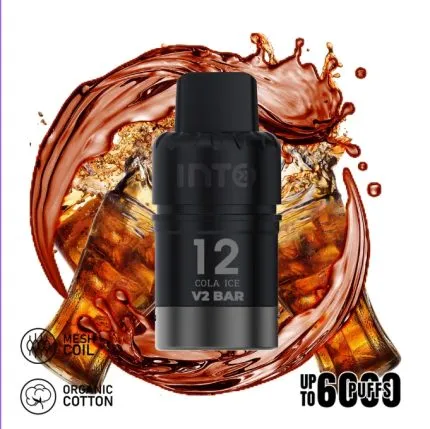
Meanwhile, this style pairs well with water and simple foods. As a result, the cooling reads as crisp rather than minty.
Fruit Foundations: Apple, Grape, and Berry Without Mint
Fruit flavours are the core of most mint-free rotations. They feel intuitive, and they usually avoid the herbal “edge” that mint brings. Additionally, fruit profiles can be arranged from light to rich, which supports a practical rotation.
Apple-style profiles: crisp and neutral
Apple tends to be clean, lightly sweet, and easy to vape for longer periods. Moreover, apple rarely becomes perfumey compared with some tropical flavours. Therefore, it works well as a “baseline” flavour between richer choices.
Grape-style profiles: smooth sweetness with round edges
Grape usually leans sweeter than apple. However, it often feels round and soft rather than sharp. So, grape can be useful after meals or during relaxed sessions.
Berry-style profiles: deeper and sometimes jammy
Berry blends often carry more aroma complexity. As a result, they can feel satisfying without cooling. However, very sweet berry profiles can fatigue the palate, so rotation still matters.
Tea Profiles: The Low-Sugar Path Away From Mint
Tea profiles can feel like a “quiet” flavour family. They often carry mild dryness, gentle sweetness, and a calmer aroma. Consequently, they are useful for long sessions and focus-heavy moments.
Compared with candy or soda profiles, tea tends to create less flavour buildup. Therefore, coil taste and aftertaste can remain cleaner for longer, especially in steady daily use.
A practical tea approach includes:
- Green tea style: lighter, grassy, slightly dry
- Black tea style: deeper, sometimes honey-like
- Milk tea style: richer, dessert-adjacent
In contrast, mint often dominates the entire session. Tea flavours rarely do, which is why they work well for mint-averse preferences.
Dessert Profiles: When Comfort Matters More Than Freshness
Dessert flavours replace mint in a different way. Instead of “fresh,” dessert offers comfort and warmth. Moreover, dessert profiles can reduce the urge for a strong finish, because the satisfaction comes from richness.
However, dessert can be heavy for all-day use. Therefore, it often works best as an evening flavour or after food.
Common dessert directions include:
- Vanilla or custard notes for a creamy finish
- Caramel notes for warm sweetness
- Bakery notes for a toasted impression
Additionally, dessert pairs well with coffee, milk tea, or simple snacks. As a result, it feels integrated rather than overly sweet.
Tobacco-Inspired Profiles: Dry, Calm, and Predictable
For some palates, the real issue with mint is the “cold sharpness.” In that case, tobacco-inspired flavours can feel stable and dry. Moreover, they often avoid sugary sweetness and strong cooling.
A tobacco-style profile can also be useful as a reset flavour. Therefore, it can sit between fruit rotations to reduce flavour fatigue.
In addition, tobacco profiles tend to feel consistent during slower, shorter puffs. As a result, they suit calm sessions rather than fast pacing.
Pairing Flavours With Real-Life Scenes
Flavour selection improves when each choice has a job. Consequently, fewer pods feel “wrong” after the first day.
Morning: clean and low distraction
First, mornings often benefit from lighter sweetness. Citrus, apple, and tea profiles fit well here. Moreover, a clean finish helps coffee taste normal afterward.
Midday: bright but not overwhelming
Next, midday often suits lemonade, crisp fruit, or soda profiles. Additionally, these profiles can feel refreshing without relying on mint.
After meals: richer and rounder
After food, dessert, cola, and deeper berry blends usually feel more satisfying. Therefore, the flavour reads as “complete,” not thin.
Evening: comfort and low intensity
Finally, tea and tobacco-inspired profiles often suit evening. Meanwhile, very sweet candy flavours may feel too loud late at night, especially in quiet settings.
A Pairing Framework for Drinks and Snacks
Pairing is not about being fancy. Instead, it prevents clashes that can make flavours feel harsh.
Here is a practical pairing table:
- Coffee: cola, caramel dessert, tobacco-inspired
- Black tea: apple, berry, cola
- Green tea: citrus, light grape, mild berry
- Sparkling water: lemonade, crisp fruit, soda profiles
- Spicy foods: avoid heavy cooling; choose fruit or dessert
- Sweet desserts: choose tea or crisp fruit to balance
Therefore, pairing acts as a stability tool. Even a good flavour can feel wrong with the wrong drink.
How Usage Habits Change Flavour Perception
Flavour choice is only half of the outcome. The other half is how the device is used. Consequently, small habit shifts can make mint-free flavours feel cleaner and more consistent.
Puff pacing matters
First, rapid puffing can heat the coil and increase sweetness perception. As a result, a balanced fruit flavour can start tasting syrupy. Meanwhile, slower pacing often keeps flavour clearer and reduces harshness.
Storage changes flavour stability
Heat and sunlight can alter flavour perception over time. Therefore, keeping pods and devices away from direct sun helps maintain taste. Additionally, very warm storage can increase “sharp” notes in some blends.
Hydration affects mouthfeel
Dry mouth makes flavours feel harsher and more concentrated. Consequently, drinking water can make fruit and tea profiles feel smoother and more accurate.
Building a Mint-Free Setup With Compatible Hardware
A stable flavour routine depends on consistent hardware. Therefore, it helps to use a device built for the pod format being used.
For example, a dedicated battery device supports consistent draw and predictable vapour. Additionally, it keeps flavour delivery stable from pod to pod, which matters when comparing subtle profiles.
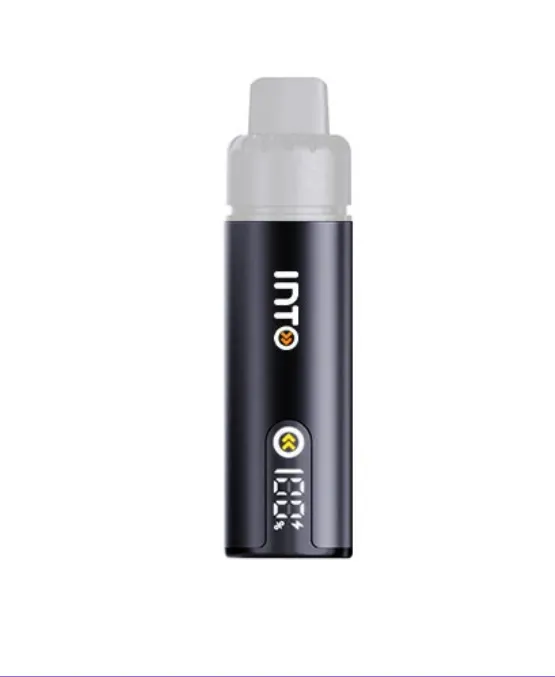
Meanwhile, pairing a compatible device with a small flavour rotation reduces waste. As a result, each pod has time to feel “right” in its intended scene.
For browsing and comparing options, a single hub like the VapeWell AU shop helps keep flavour choices organised.
A Step-by-Step Method to Choose RELX Flavours Without Mint
This method stays simple on purpose. It aims to produce repeatable choices, not one-time luck.
Step 1: Decide the “finish” style first
First, choose between these finishes:
- Clean finish: citrus, apple, tea
- Round finish: grape, berry, cola
- Rich finish: dessert, milk tea, caramel
- Dry finish: tobacco-inspired, tea
Consequently, half the decision is already done.
Step 2: Pick sweetness level second
Next, choose light, medium, or high sweetness. Additionally, consider the intended session length.
- Light sweetness suits long sessions.
- Medium sweetness suits daily mixed use.
- High sweetness suits short, occasional sessions.
Therefore, sweetness becomes a practical control, not an accident.
Step 3: Decide whether cooling is needed
Then, choose cooling as “none” or “light.” If cooling is included, keep the main taste non-mint. Moreover, treat “ice” as a finish rather than a headline.
Step 4: Choose one “anchor flavour” and one “change flavour”
An anchor flavour is the reliable daily option. A change flavour adds variety. Consequently, the rotation feels stable without becoming boring.
Practical examples:
- Anchor: crisp fruit or tea
- Change: cola, dessert, or berry blend
Step 5: Keep notes for three sessions only
Finally, track flavour behaviour across three sessions:
- First impression (aroma + immediate taste)
- Mid-session (does sweetness build?)
- End-note (clean or lingering?)
After three sessions, a flavour’s true role becomes clear. Therefore, decisions feel confident rather than impulsive.
Common Mistakes When Switching Away From Mint
Even good flavours can feel wrong if the selection logic is off. Consequently, avoiding a few traps saves time.
Mistake 1: Replacing mint with extreme sweetness
Mint often feels “strong,” so sweetness gets pushed too high to compensate. However, high sweetness can cause fast palate fatigue. Therefore, medium sweetness is often the safer first move.
Mistake 2: Assuming all “ice” is minty
Some ice flavours are minty. Others are not. Consequently, judging by the finish alone can remove good options. Instead, focus on whether the main taste is fruit, soda, or dessert.
Mistake 3: Choosing only one flavour for everything
One flavour rarely fits every moment. As a result, the flavour gets blamed when the scene is the real issue. Therefore, a small rotation usually works better than one “perfect” pod.
Mistake 4: Ignoring pairing
Coffee can flatten fruit. Spicy food can amplify cooling. Meanwhile, sweet desserts can make candy flavours feel cloying. So, pairing is not a detail—it is part of the flavour outcome.
Practical Non-Mint Profiles to Consider
Below are four non-mint directions that often perform well as a set. Importantly, the goal is not a fixed list. Instead, it is a template that can be adapted to any RELX-style flavour lineup.
1) Citrus anchor (clean and bright)
A citrus anchor works for long sessions. Additionally, it keeps the palate reset between richer profiles. Pink-lemon style fits well here.
2) Cola comfort (aromatic and familiar)
Cola works as a comfort flavour after meals. Moreover, it can replace mint’s “refresh” through aroma rather than chill.
3) Light cooling option (finish-only)
A cola ice style offers a crisp finish without mint identity. Therefore, it can suit warm weather or post-meal sessions.
4) Hardware stability (consistent delivery)
A compatible battery device supports consistent flavour delivery. Consequently, subtle differences between fruit, tea, and soda stay noticeable.
For browsing similar profiles inside one category, the INTO V2 pod range can be used as a reference set for sweetness and cooling styles.
FAQ
What is the best first flavour to try when mint is disliked?
First, a crisp fruit or citrus profile is usually the safest start. Additionally, those profiles rarely carry herbal aftertaste.
Can “ice” flavours work without tasting like mint?
Yes, sometimes. However, the main taste should stay fruit, soda, or dessert, with cooling as a finish.
Why do some fruit flavours feel “too sweet” after switching off mint?
Mint can mask sweetness through sharpness and cooling. Consequently, fruit sweetness becomes more obvious when mint disappears.
Do tea flavours help reduce flavour fatigue?
Often, yes. Moreover, tea profiles tend to feel drier and less syrupy over long sessions.
Are dessert flavours suitable for all-day use?
Sometimes, but not always. Therefore, dessert usually performs better as an evening or post-meal option.
What makes citrus flavours feel “cleaner” than candy flavours?
Citrus has natural acidity. As a result, sweetness feels lighter and the finish feels clearer.
Why can the same flavour feel different on different days?
Hydration, food, and temperature can change perception. Meanwhile, faster puff pacing can also increase sweetness.
Is it better to keep one flavour or rotate several?
In most cases, rotation works better. Consequently, the palate stays fresh and each flavour keeps its role.
How many flavours should be in a practical rotation?
Generally, two to three is enough. Additionally, one can be an anchor and the others can be change flavours.
What is a good “anchor flavour” category?
Crisp fruit and tea are common anchors. Moreover, they usually keep a clean finish.
What is a good “change flavour” category?
Cola, dessert, and richer berry blends work well. Therefore, variety arrives without relying on mint.
Why do some non-mint flavours still feel harsh?
Strong cooling, excessive sweetness, or fast pacing can cause harshness. As a result, reducing cooling and slowing pace often helps.
Do pairings with drinks really matter?
Yes, often. For example, coffee can flatten fruit, while sparkling water can brighten citrus.
What’s the simplest way to avoid accidentally choosing mint-adjacent flavours?
Avoid flavour names that signal “fresh,” “arctic,” or “mint.” Instead, prioritise juice, soda, tea, and dessert descriptors.
How can flavour comparison be made more reliable?
Use the same time of day and similar pairing conditions. Consequently, differences reflect the flavour rather than the setting.
Conclusion
Overall, choosing a RELX flavour without mint is easier with a structured map. First, decide finish style and sweetness level. Next, treat cooling as optional and controlled. Finally, pair flavour families with real-life scenes to keep results consistent.
Therefore, for a stable flavour-first routine and a clean mint-free direction, RELX vape Australia official supplier can remain a practical reference point for organising choices and comparing profiles.
- Start with one citrus or crisp fruit anchor, then add one comfort flavour like cola.
- Keep cooling low at first, and treat “ice” as a finish, not a headline.
- Match flavours to scenes, using tea or dry profiles for focus and calmer sessions.
Device Overview
| Feature | Specification | Rating |
|---|---|---|
| Puff Count | 10,000+ puffs | Excellent |
| E-Liquid | 15-18ml | Excellent |
| Nicotine | 5% (50mg/ml) | Standard |
| Battery | 500-650mAh | High |
| Coil | Mesh Coil | Premium |
| Value | Good | 8.5/10 |